How to Evaluate Senior Care Options: Discovering the Ideal Assisted Living Home
Business Name: BeeHive Homes of Gallup
Address: 600 Gurley Ave, Gallup, NM 87301
Phone: (505) 591-7024
BeeHive Homes of Gallup
Beehive Homes of Gallup assisted living care is ideal for those who value their independence but require help with some of the activities of daily living. Residents enjoy 24-hour support, private bedrooms with baths, medication monitoring, home-cooked meals, housekeeping and laundry services, social activities and outings, and daily physical and mental exercise opportunities. Beehive Homes memory care services accommodates the growing number of seniors affected by memory loss and dementia. Beehive Homes offers respite (short-term) care for your loved one should the need arise. Whether help is needed after a surgery or illness, for vacation coverage, or just a break from the routine, respite care provides you peace of mind for any length of stay.
600 Gurley Ave, Gallup, NM 87301
Business Hours
Choosing an assisted living home is one of those choices that feels both practical and deeply individual. On paper, you are comparing services, expenses, and care levels. In reality, you are entrusting strangers with a parent's security, dignity, and daily delight. Households often arrive at this option after a fall, a medical facility stay, or a slow realization that the present scenario in the house is no longer sustainable.
Having dealt with families, locals, and senior care groups over many years, I have actually seen both outstanding outcomes and agonizing bad moves. The distinction usually rests not on the structure's decoration or marketing pamphlet, but on how carefully the family matched the person's needs and character to the neighborhood's culture and capabilities.
This guide walks through the practical side of assessing senior care alternatives, especially assisted living and respite care, while keeping sight of the psychological and human truths below the decision.
Clarifying what your household actually needs
Before you tour a single community, you will conserve time and stress by getting sincere about current needs and most likely changes in the next one to three years. Households typically describe vague goals such as "more aid" or "some supervision." That is a starting point, but it is not enough to assist a great choice.
Begin with 3 questions: What can my loved one do separately today? What do they need assist with on a common day? What concerns keep me up at night?
Translate those answers into specific care needs. For example, if your mother can bathe individually however forgets to take medications three times a week, the concern is reliable medication management, not full support with individual care. If your father wanders at night however walks steadily during the day, night staffing and security matter more than an in house gym.
Many assisted living neighborhoods offer a care evaluation before relocation in. Deal with that as a valuable baseline, but not the entire story. Their assessment guides rates and staffing, not always your assurance. Bring your own observations, consisting of:
- Recent falls or near falls
- Unplanned weight reduction or gain
- Memory lapses that affect security, such as leaving the range on
- Mood modifications, withdrawal, or increased anxiety
- Times of day that are particularly hard, like evenings or early mornings
This easy list becomes a lens for every single tour, every pamphlet, and every conversation with a senior care provider.
Understanding the continuum: independent, assisted, memory care, and more
Families in some cases jump straight to assisted living since it seems like the happy medium between home and a nursing facility. In truth, there is a continuum of senior care choices, and the perfect fit depends upon both current function and trajectory.
Independent living works best for older grownups who are primarily self enough but desire more social connections, less home upkeep, and perhaps some meal services. Personnel involvement is light, and medical or personal care services might be limited or used through outdoors providers.
Assisted living is designed for those who can still participate in their daily regimen, but require structured help with some activities such as medication management, bathing, dressing, or meal preparation. A great assisted living neighborhood motivates as much independence as possible, while making sure essential jobs are done securely and on time.
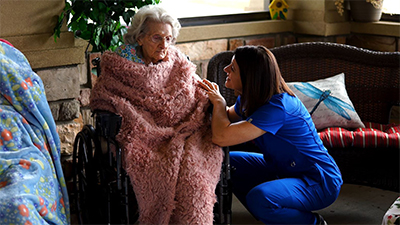
Memory care is a more customized setting for individuals with moderate to sophisticated dementia who require protected environments, more cueing, and personnel with specific training in dementia habits and communication. Some assisted living neighborhoods have a different memory care wing, others are stand alone.
Skilled nursing centers offer 24 hour medical guidance and are appropriate for people with high medical needs, complex wound care, feeding tubes, or regular medical interventions. Short-term rehab after a healthcare facility stay often takes place in this setting.
Respite care can exist throughout these levels. It is momentary senior care, generally from a couple of days to a few weeks, frequently in an assisted living or memory care unit, giving household caretakers a break or bridging a transition after hospitalization. Respite stays can likewise be a low commitment method to "evaluate drive" a community before making a long-term move.
The key is to pick the least limiting environment that can safely support your loved one now and in the foreseeable future. Moving from one level of care to another is possible, however each transition is disruptive. It is better to think a step ahead.
Assisted living versus staying at home with help
Many households wrestle with whether to generate home care or transfer to assisted living. There is no universal right response. The tipping point usually involves a mix of expense, security, social requirements, and family bandwidth.
When a person lives at home with in home aides, the environment stays familiar. This can be very stabilizing for somebody with early dementia or strong accessory to their home. Home care likewise scales: you might start with 8 to 12 hours of help per week, then increase as needed. Nevertheless, when all the time coverage ends up being needed, the cost can quickly go beyond that of assisted living, specifically in urban areas.
Assisted living centralizes services. One community cost covers real estate, basic energies, some meals, and standard care. Personnel is on site 24 hr, so someone can respond if your mother falls at 3 a.m. The trade off is loss of some personal privacy and control over regimens. Group meals follow set times. Activities work on a schedule. Personnel come and go.
I typically prompt families to think about not simply what looks suitable on paper, but what their loved one will actually accept. A fiercely independent individual who feels bitter "strangers in my house" may be more open up to relocating to a dynamic assisted living neighborhood where aid is readily available however not constantly in their individual space. On the other hand, someone who ends up being distressed far from familiar surroundings may do better with carefully structured in home elderly care.
What "good care" in fact appears like day to day
Walk through 10 assisted living communities and you will hear comparable promises: compassionate care, engaging activities, home like environment. These phrases do not tell you whether your mother will in fact get aid with her shower when she needs it, or whether your father will sit alone in his room day after day.
Instead of concentrating on mottos, look at how care plays out on a common Tuesday afternoon.
In a well run assisted living home, residents are out in typical locations, not all separated in their spaces. You see small interactions: a caregiver stopping to joke with a resident, a maid taking a minute to change a cardigan, a nurse calmly describing a medication modification. There is a sense of calm performance rather than frantic rushing.
Staff understand residents by name and understand information about them. When I tour a community with beehivehomes.com senior care families, I listen for staff who can say, "Mr. Smith likes to have breakfast later on, around 9, and he constantly desires an additional banana" or "Ms. Patel gets nervous at nights, so we check in a bit more then." These details indicate real engagement, not just task completion.
Pay attention to how homeowners look. Are clothes clean and appropriate for the weather? Do you see uncombed hair, untrimmed nails, or food stains? A couple of unpolished minutes are human, but a pattern of disheveled look mean inconsistent personal care.
Finally, ask about staffing ratios, but do not stop at the number. A building might report a reasonable ratio on paper, yet run brief staffed on weekends and nights. Ask who is on website over night, whether nurses exist or on call, and how they cover sick calls. Ask what a "typical day" appears like for someone with needs similar to your loved one's, and listen for concrete information, not unclear reassurances.
Key questions to ask on every tour
Most families feel overwhelmed on their first few trips. The neighborhood agent is friendly, the lobby looks trendy, and it is simple to forget what you implied to ask. Having a short, focused checklist keeps you grounded.
Use this quick list as a foundation and then change based on your circumstance:
- How is care tailored to private requirements, and how often is the care plan reassessed?
- What specific aid is consisted of in the base rate, and what services cost extra?
- How do you handle medical emergency situations, falls, and health center transfers?
- What is your personnel training in dementia, movement assistance, and end of life care?
- Can you share examples of how you support locals who are shy, nervous, or resistant to care?
Ask to see a sample resident agreement and fee schedule. Surprise charges normally conceal in small print: medication administration charges, incontinence supply charges, levels of care tiers, transport costs. A neighborhood that is transparent up front is more likely to stay transparent when requires change.
It is also sensible to ask about staff turnover. No community has absolutely no turnover, however if leadership changes every year or caregivers continuously cycle in and out, consistency of care suffers. Locals with memory loss are particularly impacted when familiar faces disappear.
Evaluating the environment: more than chandeliers and paint colors
Beautiful common spaces are enjoyable, however aesthetic appeals alone do not guarantee good elderly care. I pay closer attention to how the building supports safety, independence, and comfort.
Corridors need to be wide, well lit, and free of clutter. Handrails along hallways are a great sign. Flooring ought to reduce fall threat, with very little shifts between carpet and hard surface areas. In resident restrooms, search for grab bars, raised toilet seats, and walk in showers with non slip surface areas. If you see deep tubs without correct assistances, that suggests out-of-date design.
Noise level matters, especially for individuals with hearing loss or cognitive problems. A constant barrage of loud televisions, echoing hallways, or overhead alarms can increase agitation. Ideally, you can stand in a typical area and continue a regular discussion without shouting.

Outdoor area is frequently neglected, yet can considerably improve quality of life. A safe and secure yard, garden, or outdoor patio offers residents access to fresh air and natural light. Ask how often citizens actually go outside. I have visited communities with beautiful yards that stay empty because staffing patterns do not support supervision.
Smell tells its own story. Periodic odors take place anywhere individuals live, but a prevalent smell of urine or strong air freshener that tries to mask it normally signifies housekeeping or incontinence care problems.
Culture and character fit: does this location feel right for your liked one?
Two assisted living communities can offer similar services on paper yet feel entirely different. One might seem like a quiet, cozy apartment. Another may look like a bustling college dormitory for older grownups. Either can be outstanding, but not for every person.
Think about your loved one's social choices. Are they energized by activity, or do they choose small groups and peaceful corners? Stroll through at various times of day if possible. Morning, mid afternoon, and early evening can expose different sides of a neighborhood's rhythm.
Notice the activity calendar, but more significantly, observe what is actually happening when you visit. Are citizens engaged, or is the "activity" a single team member playing a movie while everybody dozes off? A great senior care team adapts to various personalities. Not everybody desires bingo. Search for different offerings: music, discussion groups, gentle workout, spiritual services, one on one visits for those who do not sign up with groups.
Cultural and language aspects matter too. An older adult who speaks limited English or follows specific religious or dietary practices will be more comfortable if the community can truly accommodate these things, not simply state "we are open to it." Ask, "Do you have other locals from comparable backgrounds? How do you support their traditions?" Particular examples are reassuring.
Finally, take notice of how personnel speak about locals when they believe you are not listening. Are they speaking respectfully, even in busy moments, or utilizing dismissive labels like "feeders" or "wanderers"? The language people utilize with each other reveals the underlying culture more than polished marketing statements.
Respite care as a trial run
Families often think twice to devote to assisted living. They stress that their loved one will feel abandoned, or that the relocation will be too disruptive. In these cases, respite care can be a valuable bridge.
Many assisted living communities use totally supplied respite suites. Stays can vary from a few days approximately several weeks. During that time, the person receives the very same support, meals, and activities as permanent residents. Family caregivers get a break, time to recover from their own health concerns, or area to examine whether a long-term move feels right.
When utilized purposefully, respite care achieves two things. Initially, it offers your loved one an opportunity to experience common senior care without the pressure of permanence. Second, it lets you observe how the neighborhood really operates. You can see whether personnel follow through on guaranteed care, how they communicate about any events, and how your loved one changes over a somewhat longer period than a one hour tour.
Ask particular questions about respite plans: Is there a minimum stay? Exist service charges beyond the day-to-day or weekly rate? What takes place if your loved one decides to stay long term after the respite duration? Sometimes the respite stay can roll directly into a regular residency, in some cases there is a waiting list.
Financial truths and cost trade offs
Cost is typically the most uneasy topic, yet ignoring it leads to heartbreaking interruptions later on. Assisted living is normally private pay, although in some states restricted Medicaid waivers or veterans' advantages assist cover part of the expense. Medicare does not spend for assisted living room and board.
Base rates often cover housing, fundamental energies, housekeeping, some meals, and minimal care. Extra fees are layered on for greater levels of help. Anticipate expenses to increase as care requirements increase. A person who relocates fairly independent may pay one amount, then 2 years later pay considerably more when they require assist with bathing, dressing, or incontinence.
Compare neighborhoods not only on regular monthly charges, but on what is included. One structure may promote a lower base rate but charge individually for medication management and transport. Another might roll those into a greater base rate that is more foreseeable over time.
Here is a basic method to frame the contrast between assisted living and staying at home with outdoors aid:
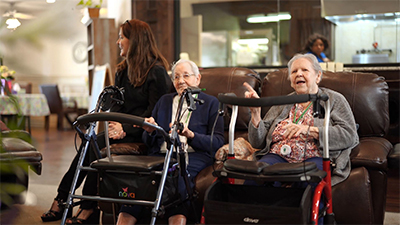
- Assisted living: Consolidated regular monthly fee, onsite staff 24 hours, integrated in activities and social contact, but shared environment and less private control of schedules.
- Home with caretakers: Environment remains familiar, schedule fully personalized, possible to start small and scale up, however greater hourly costs when coverage expands and greater household obligation for coordination.
- Hybrid technique: Starting with home care and later transitioning to assisted living when requires reach a threshold, accepting that there will be at least one significant move.
Whichever course you choose, try to map out at least three situations: present expenses, likely costs in 2 years, and a stretch scenario if care requirements become significantly greater. Discuss what occurs if personal funds run low. Does the community accept Medicaid later? If not, would your loved one requirement to move again?
Legal, security, and medical coordination
A well chosen assisted living home needs to not exist in isolation from the remainder of the individual's healthcare and support group. Smooth coordination with medical care suppliers, professionals, and relative reduces hospitalizations and avoids confusion.
Before relocation in, ensure legal documentation is in location: health care proxy or medical power of attorney, resilient power of attorney for finances, advance instructions, and upgraded contact information for all essential family members. The community will typically request this, however it is in your interest to review it yourselves and clarify who can make choices when your loved one cannot.
Ask how the community coordinates healthcare. Some have going to doctors, nurse specialists, or therapists who come onsite. Others rely on homeowners leaving the building for appointments. Each approach has benefits and drawbacks. Onsite services are hassle-free and minimize missed consultations, however you wish to make sure that communication back to the primary care physician is thorough.
Medication management is a crucial location. In assisted living, nurses or trained medication technicians typically administer medications. Inquire about their training, how they track doses, how they manage changes after a hospitalization, and how they communicate errors if they take place. A community that acknowledges errors can take place and describes its security checks is more reliable than one that insists it is perfect.
Security procedures must stabilize safety with self-respect. Locked front doors, video camera kept an eye on entryways, and well lit car park are affordable. For citizens with dementia, safe units or alarmed doors may be essential. What you wish to prevent is a prison like atmosphere where restricting motion is the primary technique, rather than engaging citizens in significant ways.
Making the move and expecting early red flags
Once you choose an assisted living home, concentrate on making the transition as mild as possible. Bring familiar products from home: a preferred chair, photos, bedding, small pieces of decor that signal "this is my area." Try to move previously in the day, not late evening when tiredness and confusion are more likely.
Expect a change duration. Numerous homeowners experience a couple of weeks of sadness, anxiety, or problems. Relative often second guess the choice throughout this time. It helps to differentiate typical change from signs of poor fit or subpar care.
Give extra weight to patterns such as duplicated missed out on care, inexplicable injuries, or significant modifications in mood without clear triggers. A single bruise can happen anywhere, but repeating bruises on similar body parts, weight reduction without medical explanation, or a resident who regularly appears unwashed warrant immediate attention.
Maintain regular communication with personnel, particularly the nurse or care organizer. Brief check ins, both scheduled and unscheduled, keep you notified and signal that you stay involved. Most senior care teams appreciate household partners who share insights and discover subtle changes.
If issues occur, begin by documenting what you see and bringing it to management respectfully but strongly. Typically, problems stem from miscommunication or a care strategy that requires updating. If severe security issues continue despite repeated efforts to fix them, be prepared to check out other options. Avoiding of guilt or worry of disturbance in some cases extends a hazardous or dissatisfied situation.
Balancing head and heart
Evaluating senior care options is as much a psychological procedure as a logistical one. Families bring history, love, frustration, and in some cases old injuries into these choices. Parents may insist they are "fine" even when basic security is at danger. Adult children might feel like they are breaking a guarantee by moving a parent to assisted living.
The objective is not to discover a best option. Perfection does not exist in healthcare or human relationships. The objective is to discover a setting where your loved one can be as safe, respected, and engaged as possible, provided their health, choices, and financial truth, and where you as a caretaker can remain a son or daughter, not just an exhausted nurse and scheduler.
Good assisted living and respite care can protect not just physical safety, however also household relationships. When daily care tasks are shared with experienced personnel, visits can shift from crisis management to shared meals, discussion, and small happiness. That is the heart of thoughtful elderly care: producing space for meaningful connection in the years that remain.
BeeHive Homes of Gallup provides assisted living care
BeeHive Homes of Gallup provides memory care services
BeeHive Homes of Gallup provides respite care services
BeeHive Homes of Gallup supports assistance with bathing and grooming
BeeHive Homes of Gallup offers private bedrooms with private bathrooms
BeeHive Homes of Gallup provides medication monitoring and documentation
BeeHive Homes of Gallup serves dietitian-approved meals
BeeHive Homes of Gallup provides housekeeping services
BeeHive Homes of Gallup provides laundry services
BeeHive Homes of Gallup offers community dining and social engagement activities
BeeHive Homes of Gallup features life enrichment activities
BeeHive Homes of Gallup supports personal care assistance during meals and daily routines
BeeHive Homes of Gallup promotes frequent physical and mental exercise opportunities
BeeHive Homes of Gallup provides a home-like residential environment
BeeHive Homes of Gallup creates customized care plans as residents’ needs change
BeeHive Homes of Gallup assesses individual resident care needs
BeeHive Homes of Gallup accepts private pay and long-term care insurance
BeeHive Homes of Gallup assists qualified veterans with Aid and Attendance benefits
BeeHive Homes of Gallup encourages meaningful resident-to-staff relationships
BeeHive Homes of Gallup delivers compassionate, attentive senior care focused on dignity and comfort
BeeHive Homes of Gallup has a phone number of (505) 591-7024
BeeHive Homes of Gallup has an address of 600 Gurley Ave, Gallup, NM 87301
BeeHive Homes of Gallup has a website https://beehivehomes.com/locations/gallup/
BeeHive Homes of Gallup has Google Maps listing https://maps.app.goo.gl/iMEbZo7VyH1tHATP9
BeeHive Homes of Gallup has TikTok page https://www.tiktok.com/@beehivehomesgallup
BeeHive Homes of Gallup has an YouTube page https://www.youtube.com/@WelcomeHomeBeeHiveHomes
BeeHive Homes of Gallup has Facebook page https://www.facebook.com/beehivehomesgallup
BeeHive Homes of Gallup has Instagram page https://www.instagram.com/beehivehomesofgallup/
BeeHive Homes of Gallup won Top Assisted Living Homes 2025
BeeHive Homes of Gallup earned Best Customer Service Award 2024
BeeHive Homes of Gallup placed 1st for Senior Living Communities 2025
People Also Ask about BeeHive Homes of Gallup
What is BeeHive Homes of Gallup Living monthly room rate?
The rate depends on the level of care that is needed. We do a pre-admission evaluation for each resident to determine the level of care needed. The monthly rate is based on this evaluation. There are no hidden costs or fees
Can residents stay in BeeHive Homes of Gallup until the end of their life?
Usually yes. There are exceptions, such as when there are safety issues with the resident, or they need 24 hour skilled nursing services
Do we have a nurse on staff?
No, but each BeeHive Home has a consulting Nurse available 24 – 7. if nursing services are needed, a doctor can order home health to come into the home
What are BeeHive Homes of Gallup's visiting hours?
Our visiting hours are currently under restriction by the state health officials. Limited visitation is still allowed but must be scheduled during regular business hours. Please contact us for additional and up-to-date information about visitation
Do we have couple’s rooms available?
Yes, each home has rooms designed to accommodate couples. Please ask about the availability of these rooms
Where is BeeHive Homes of Gallup located?
BeeHive Homes of Gallup is conveniently located at 600 Gurley Ave, Gallup, NM 87301. You can easily find directions on Google Maps or call at (505) 591-7024 Monday through Sunday 9:00am to 5:00pm
How can I contact BeeHive Homes of Gallup?
You can contact BeeHive Homes of Gallup by phone at: (505) 591-7024, visit their website at https://beehivehomes.com/locations/gallup/ or connect on social media via TikTok Facebook or YouTube
Residents may take a trip to the Navajo Code Talkers Museum. The Navajo Code Talker exhibits provide educational experiences suitable for assisted living, senior care, elderly care, and respite care cultural visits.